


Returning Customer
I am a returning customer
Register Account
If you already have an account with us, please login at the login form.
Your Account Has Been Created!
Congratulations! Your new account has been successfully created!
You can now take advantage of member privileges to enhance your online shopping experience with us.
If you have ANY questions about the operation of this online shop, please e-mail the store owner.
A confirmation has been sent to the provided e-mail address. If you have not received it within the hour, please contact us.
Account Logout
You have been logged off your account. It is now safe to leave the computer.
Your shopping cart has been saved, the items inside it will be restored whenever you log back into your account.
The opening of a new laboratory almost always begins with the same mistake: they begin to select equipment for individual items, without connecting them with tasks, methods and future workload. As a result, some devices turn out to be redundant, and some really important items have to be purchased after launch.
The right approach starts with answering three questions: what analyzes and tests will be performed, how much work is planned per month, and what regulatory requirements apply to your industry. For chemical, food, medical, environmental and testing laboratories, the set of basic equipment will be different, even if the tasks seem similar on the surface.
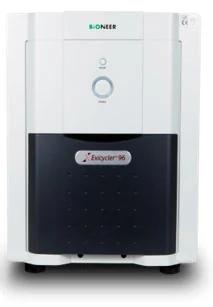
The next step is to divide the equipment into four groups: mandatory, desirable, auxiliary and consumables. Mandatory items usually include scales, pH meters, thermostatic equipment, glassware, dispensers, exhaust solutions and environmental control devices. The required equipment depends on the profile of the laboratory: for example, photometers and conductometers are important for water analysis, testing machines and presses are important for a construction laboratory, and incubators, shakers and PCR equipment are important for biomedicine.
Separately, it is worth taking into account service, personnel training, custom delivery and commissioning time. That is why it is more profitable for a new facility to work with a supplier who helps not just sell the device, but assemble a complete solution. At LABERA, this approach is especially important for laboratories that are starting from scratch or undergoing modernization.